High-fidelity earplugs lower the volume of the world evenly while keeping sound clear, so music and voices stay natural instead of muffled. After comparing the leading options on sound quality, protection, fit, and price, here are our honest picks:
- Best overall and most versatile: Loop Experience 2, clear, secure, stylish, a whole range of models, and a proven track record.
- Best sound fidelity (musicians and audiophiles): Etymotic ER20XS, the flattest, most natural sound from a decades-old audio specialist, at a low price.
- Best for varied venues (adjustable protection): EarPeace or Alpine MusicSafe Pro, interchangeable filters to match the loudness.
- Best value and most discreet: Vibes High Fidelity, comfortable, near-invisible, inexpensive.
- Best for sleep: Loop Quiet 2, designed for blocking snoring and noise in bed.
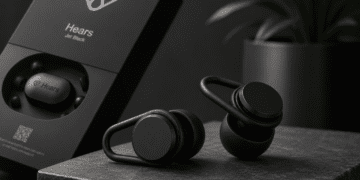
- The newcomer to watch: Hears, a well-designed, multi-use option with a generous 100-day trial, though it is newer and unproven next to the established names.
The rest of this guide explains how they differ, the honest pros and cons of each, and how to choose the right pair for you.
What Are High-Fidelity Earplugs (and Why Foam Plugs Are Not Enough)?
High-fidelity earplugs use a small engineered acoustic filter to reduce volume fairly evenly across all frequencies, so sound gets quieter without losing clarity. Cheap foam plugs, by contrast, block sound unevenly and muffle the high frequencies, which is why music sounds dull and underwater through them. Understanding this difference is the whole point of buying a high-fidelity pair.
When you put in foam earplugs at a concert, you lose the treble, the cymbals, the vocal detail, the guitar, while the bass thumps through, so the music sounds like it is playing in another room. That is also why people yank them out mid-show, defeating the protection. High-fidelity (also called flat-attenuation or musician’s) earplugs are designed to bring everything down together, so you still hear the full, balanced mix, just at a safer level. The result is protection you will actually keep wearing, which matters because hearing damage is cumulative and permanent: the World Health Organization warns that prolonged exposure above 85 decibels can harm hearing, and concerts routinely hit 100 to 115 decibels.
So for concerts, music, and everyday noise, high-fidelity earplugs are genuinely worth the modest investment over foam. Foam still has its place for sleep or very loud industrial noise where maximum blocking matters more than clarity, but for hearing life clearly and safely, the high-fidelity category is the right tool.
How We Compared Them
We weighed each pair on the factors that actually matter for high-fidelity earplugs: sound quality (how flat and natural the attenuation is, the heart of the category), protection level (the certified noise reduction, and whether it suits your environment), fit and comfort (including the number of ear-tip sizes, since a proper seal is essential), versatility (whether one pair works across concerts, daily life, and sleep), build and reusability (durability and value over time), and price and track record (including how much independent testing and how many real reviews back up the claims). We also flagged honestly where a product is unproven or relies on uncertified, brand-provided figures, because for hearing protection, verified performance matters.
A quick note on ratings, since it is the most misunderstood part of buying earplugs.
Understanding the Numbers: NRR vs SNR (and Real-World Protection)
Protection is measured two ways: NRR (Noise Reduction Rating, the US standard) and SNR (Single Number Rating, the European standard). Both are in decibels, but they use different test methods, and SNR figures usually look higher than NRR for the same product, so always check which one a brand is quoting. This is why one earplug might be advertised as “17dB SNR” and “12dB NRR”, those are the same product, not a contradiction.
Two more honest realities. First, real-world protection is usually less than the lab rating, because most people do not get a perfect seal; US safety guidance often applies a derating of roughly half the NRR for everyday estimates. That is not a reason to distrust the numbers, just to fit your earplugs properly (the right tip size and a good seal are everything). Second, more reduction is not always better for music: for a typical 100 to 105 decibel show, around 15 to 20dB of reduction keeps you safe while preserving the experience, whereas very high reduction can over-muffle a concert. For genuinely extreme noise (front-row festivals above 110dB, or industrial and firearm use), you want higher, certified protection, often from interchangeable-filter or dedicated products. Match the protection to the environment rather than assuming the biggest number wins.
Comparison Table
| Product | Type | Reported reduction | Certified rating? | Tip sizes / filters | Approx. price | Best for |
|---|---|---|---|---|---|---|
| Loop Experience 2 | Flat-attenuation | ~17dB SNR (~12dB NRR) | Yes | 4 tip sizes | ~$30 | Versatile all-rounder, style |
| Etymotic ER20XS | Flat-attenuation | ~13dB NRR | Yes | Tips swappable | ~$15 to $20 | Sound fidelity, musicians |
| Eargasm High Fidelity | Flat-attenuation | ~16dB NRR | Yes | 2 shell sizes | ~$35 | Pure clarity |
| EarPeace | Interchangeable filters | ~11 to 19dB NRR (PRO up to 26dB) | Yes | Multiple filters | ~$20 to $40 | Adjustable, varied venues |
| Alpine MusicSafe Pro | Interchangeable filters | up to ~22dB | Yes | 2 filters | ~$25 | Adjustable protection |
| Vibes High Fidelity | Flat-attenuation | ~15dB NRR | Yes | 3 tip sizes | ~$25 | Value, near-invisible |
| Loop Quiet 2 | Soft blocking | ~24dB SNR | Yes | 4 tip sizes | ~$25 | Sleep |
| Hears | Flat-attenuation | up to 20dB (brand figure) | Not published | 4 tip sizes | Funnel pricing | Multi-use, newer option |
Reduction figures are as reported by the brands and reviewers and vary by model and test standard; treat them as approximate and check the current spec before buying.
The Picks, Reviewed Honestly
Loop Experience 2, Best Overall and Most Versatile
Loop has become the most recognizable name in the category for good reason. The Experience 2 delivers clear, balanced sound at around 17dB SNR, comes with four ear-tip sizes for a secure, comfortable fit that stays put during dancing or movement, and has a distinctive, almost jewelry-like design that many people are happy to be seen wearing. It is backed by an enormous number of reviews and a strong track record. Just as useful, Loop sells a whole range tuned to different needs: the Quiet 2 for sleep, the Engage 2 for conversation and social settings, and the Switch 2 that combines modes in one pair. The honest tradeoff is that the sound, while very good, is not the absolute flattest, dedicated audiophile plugs edge it on pure naturalness, and pricing is mid-range. But for most people who want one stylish, comfortable, versatile pair, this is the easiest recommendation.
Etymotic ER20XS, Best Sound Fidelity
Etymotic essentially invented this category, and the ER20XS reflects decades of acoustic expertise. Its tuned filter produces some of the flattest, most natural attenuation available, preserving the high-frequency detail (cymbals, vocal consonants, strings) that lesser plugs crush, which is why musicians and sound engineers reach for it. The low-profile, stem-less design sits discreetly and fits under hats, helmets, and headsets, and it is one of the least expensive options here. The honest caveats: the reduction is a moderate ~13dB NRR, so it is ideal for clubs and typical concerts but not for the very loudest festivals or industrial noise, and the triple-flange tips require deeper insertion that can feel odd at first and irritate some ears. If sound accuracy is your priority and you want professional-grade fidelity on a budget, this is the pick.
Eargasm High Fidelity, Best Pure Clarity
Eargasm has a strong audiophile reputation for very uniform, transparent attenuation at around 16dB NRR, often cited as among the most natural-sounding universal-fit plugs. It includes two shell sizes for different ear canals, and the Eargasm Slide variant lets you adjust protection from roughly 15 to 22dB by sliding a mechanism, handy if you move between quieter and louder settings. It costs a little more than the Etymotic, but for listeners who prioritize clarity and want a touch more reduction, it is an excellent choice.
EarPeace and Alpine MusicSafe Pro, Best Adjustable Protection
If you attend a wide range of events, from an acoustic set to a thunderous metal show, interchangeable-filter systems give you flexibility one fixed filter cannot. EarPeace includes multiple filters (commonly around NRR 11 and 14, plus a solid plug near 19, with a Music PRO option up to about 26dB), so you can dial protection to the venue. Alpine MusicSafe Pro similarly offers two filter levels up to around 22dB. The honest knock on EarPeace is that its low-profile body can be fiddly to remove with its small tab. But for people who want one kit that adapts to many environments, including loud festivals, these adjustable systems are the smart, certified choice.
Vibes High Fidelity, Best Value and Most Discreet
Vibes pair a comfortable, reliable seal with clear shells that are virtually invisible in the ear, ideal if you are self-conscious about visible plugs, at around 15dB NRR and a wallet-friendly price. The sound is above average rather than class-leading, but the comfort, discretion, and value make them a frequent best-bang-for-buck pick, and a great choice for buying multiple pairs so you always have some on hand.
Loop Quiet 2, Best for Sleep
For sleep, snoring, and general noise blocking rather than music, you want more reduction and a soft, comfortable plug you can lie on. The Loop Quiet 2 is purpose-built for this, with around 24dB SNR and a soft, low-profile design in four sizes. If your main goal is a quiet night rather than clear concert sound, this is a better fit than a flat-attenuation music plug.
Hears, The Newcomer to Watch
Hears is a newer direct-to-consumer entry built on the same sound idea as the others: a passive flat-attenuation filter that lowers volume (a stated up to 20dB) while keeping sound clear, with four ear-tip sizes, a comfortable low-profile design, a genuine Red Dot Design Award, and a generous 100-day money-back trial. On concept and design, it is a perfectly reasonable high-fidelity earplug, and the long trial makes it low-risk to try.
The honest reasons it is harder to recommend over the established names come down to proof and value. Its “up to 20dB” figure is a brand-provided number rather than a published, certified rating, and it has not been put through the independent lab testing and large bodies of user reviews that back up Loop, Etymotic, and the others. It is also sold through a promotional funnel with opaque pricing, so you may pay more than a proven, certified pair costs. None of that means Hears does not work, it may perform perfectly well, but when reliable, lab-validated options exist at clear, often-lower prices, the burden of proof is higher for a newcomer. If the design appeals to you and you value the long trial, it is reasonable to try Hears on its guarantee; if you want the safest, best-validated choice, the established picks are easier to stand behind. You can read our full, detailed assessment in our Hears review.
Best High-Fidelity Earplugs by Use Case
- Concerts and live music (typical, 100 to 105dB): Loop Experience 2 for versatility, or Etymotic ER20XS for the flattest sound.
- Loud festivals and front-row (110dB and above): Adjustable, higher-protection systems like EarPeace Music PRO or Alpine MusicSafe Pro.
- Musicians and audiophiles: Etymotic ER20XS or Eargasm High Fidelity for the most natural attenuation.
- Everyday noise, commuting, and noise sensitivity: Loop Experience 2 or Hears, comfortable for long, varied wear.
- Sleep and snoring: Loop Quiet 2 or soft foam, where more blocking beats flat fidelity.
- Discretion and value: Vibes High Fidelity, near-invisible and inexpensive.
- Maximum, certified protection for hazardous noise: A clearly rated, high-NRR product, or custom-molded earplugs fitted by an audiologist.
How to Choose the Right Pair for You
- Match protection to your environment. For typical concerts, 15 to 20dB is plenty; for very loud festivals or industrial noise, choose higher, certified protection or interchangeable filters.
- Prioritize fit. A loose seal means less protection than the rating, so favor pairs with multiple tip sizes and confirm a snug, stable seal.
- Decide what matters most. Pure sound fidelity (Etymotic, Eargasm), versatility and style (Loop), adjustability (EarPeace, Alpine), or value and discretion (Vibes).
- Check the rating and whether it is certified. Note NRR versus SNR, and be cautious with uncertified, brand-only figures.
- Consider comfort for your use. Deep-insertion triple-flange tips give great fidelity but take adjustment; soft designs suit sleep and long wear.
- Use trial periods. Many brands offer money-back guarantees, ideal for confirming comfort and fit, which are individual.
- Do not over-pay. Excellent options exist from about $15 to $40; a higher price does not guarantee better performance.
Frequently Asked Questions
What are the best high-fidelity earplugs overall?
How are Hears different from Loop and Etymotic?
What is the difference between NRR and SNR?
How much noise reduction do I need for concerts?
Are high-fidelity earplugs better than foam for concerts?
Can one pair work for concerts, daily life, and sleep?
Why does fit matter so much?
Are expensive earplugs always better?
What about maximum protection for very loud or hazardous noise?
Should I try Hears or stick with an established brand?
Final Verdict
High-fidelity earplugs are one of the best small investments you can make in your long-term wellbeing, because they let you protect your hearing without giving up the music, conversation, and sound that make life rich. The category genuinely works, and the good news is that excellent options exist at every price point and for every use case.
For most people, the Loop Experience 2 is the easiest recommendation: clear, comfortable, versatile, stylish, and proven, with a whole family of models for sleep, conversation, and more. If sound fidelity is your priority, the Etymotic ER20XS delivers the flattest, most natural attenuation from a true audio specialist, at a remarkably low price, and the Eargasm High Fidelity is a close audiophile alternative. For varied venues, the adjustable EarPeace and Alpine MusicSafe Pro let you match protection to the volume, and for value and discretion, Vibes are hard to beat. For sleep, reach for the Loop Quiet 2 instead.
Hears is a genuinely well-designed newcomer with a generous 100-day trial, and there is nothing wrong with trying it if the design appeals and you like the low-risk guarantee. But because it relies on an uncertified, brand-provided figure, lacks independent lab testing, and sells at funnel pricing, it is harder to recommend over the established, certified options that have earned their reputations, when those frequently cost the same or less. Whichever you choose, the most important thing is simple: pick a high-fidelity pair, get a proper fit, and actually wear it. Your future hearing will thank you.
If you want to compare the newer option in this guide, you can check the current Hears price and its 100-day money-back trial here: